Case Study 03 · Mobility / Electric Vehicle

Trivera
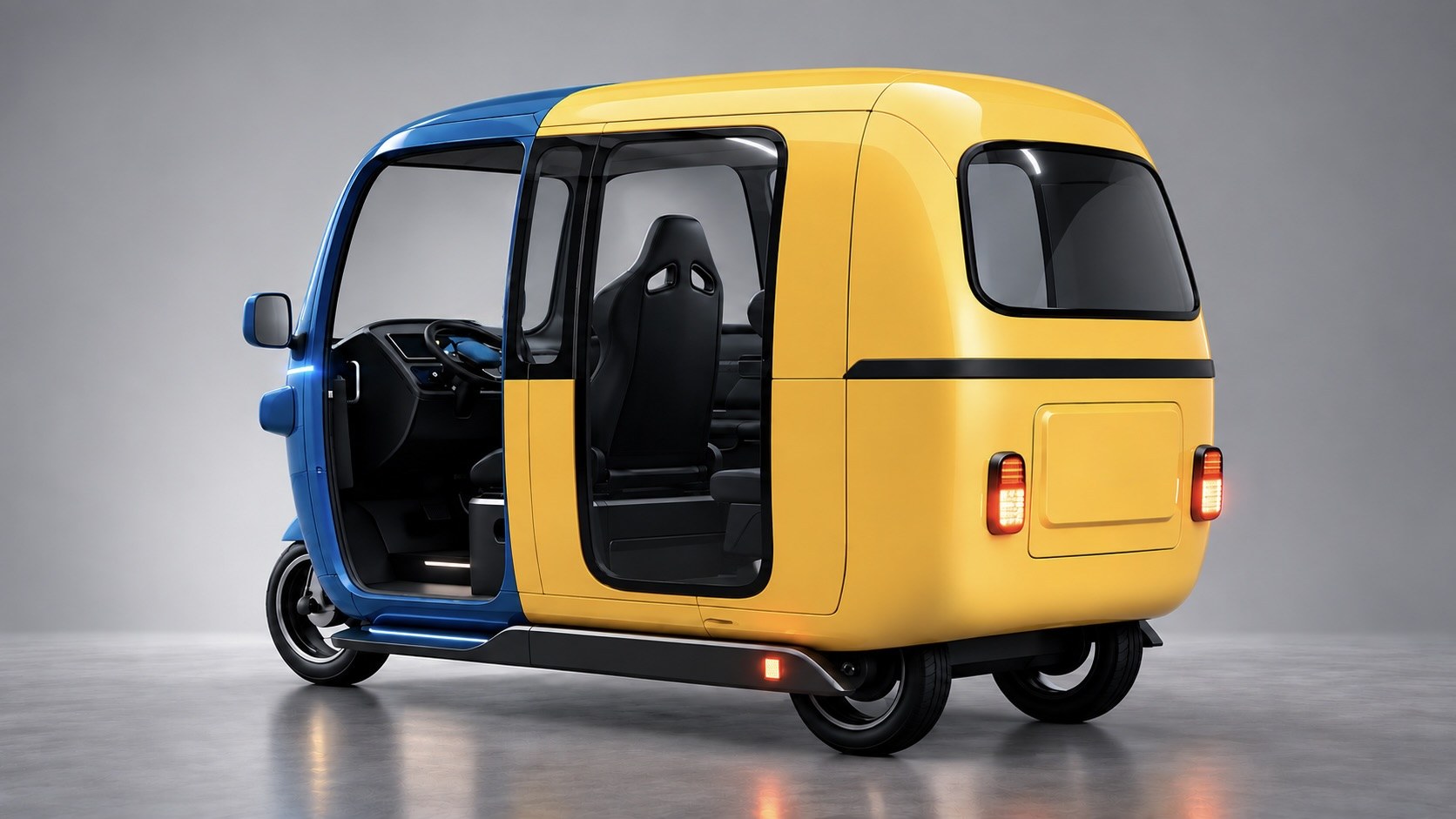
The world’s most familiar three-wheeler, rebuilt for the way cities move today: one modular electric platform that switches between passengers, cargo and utility. Safer, cleaner, and designed to scale to any city.
- Category
- Mobility / Electric Vehicle
- Platform
- Passenger, cargo, utility
- Scale
- Global, city by city
- Tools
- Fusion 360
The Name
Tri · Ve · Ra
- Tri
- Three-wheeler
- Ve
- Vedant
- Ra
- Revolutionary Auto
The Problem
An icon that hasn't kept up
What: Today’s three-wheelers are unsafe, inefficient and limited to a single purpose.
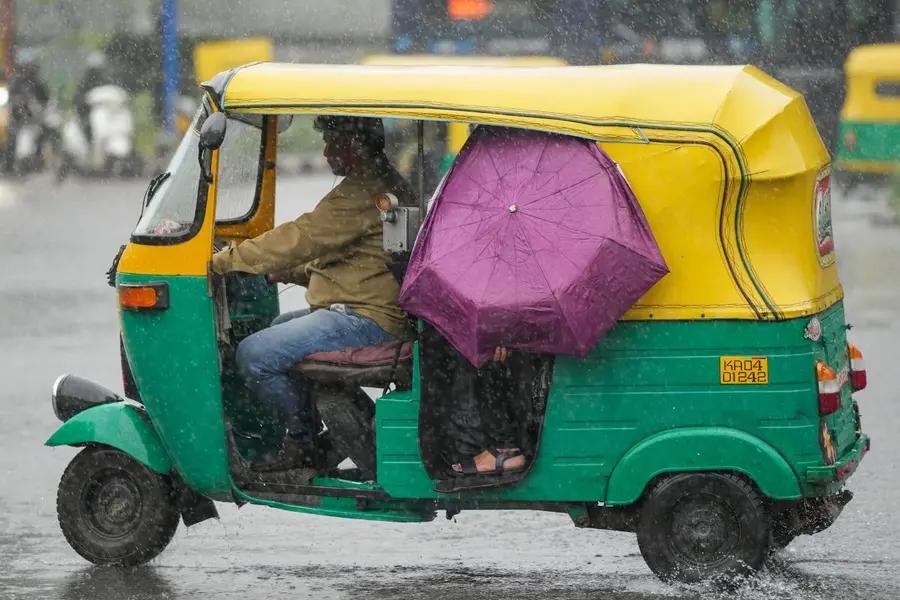
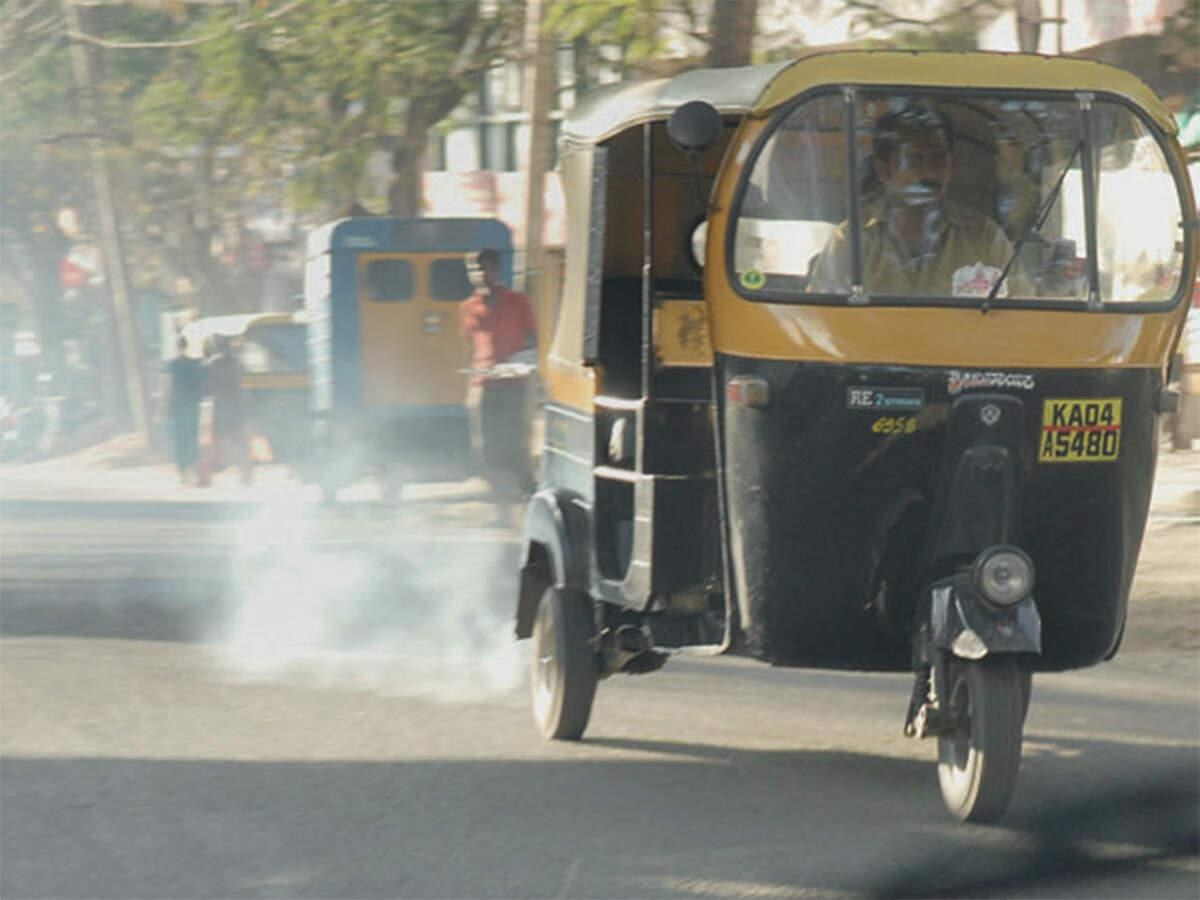
Why it matters: Millions of three-wheelers carry people and goods through cities across Asia, Africa and Latin America. Most leave the driver and passengers exposed to rain, heat and dust, offer little protection in a crash, and run on engines that pollute the streets they serve. Drivers can only earn from one kind of trip.
The opportunity
Keep what makes the three-wheeler work everywhere, its small size, agility and low cost, and rebuild everything else.
Form Exploration
Still unmistakably a three-wheeler
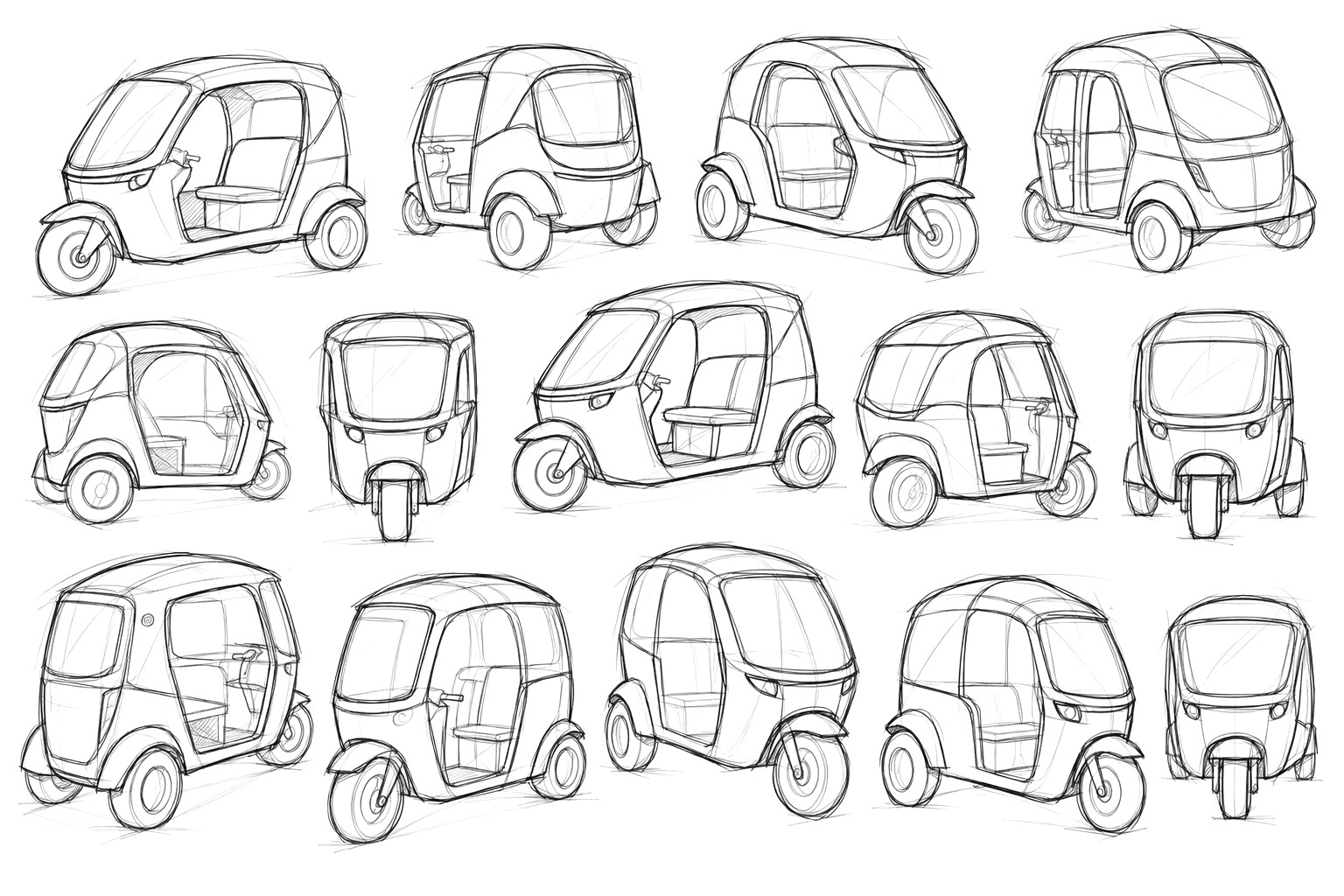
Sketching kept the three-wheeler’s familiar proportions and single front wheel, and explored enclosed bodies, door openings, rooflines and a cleaner, more cohesive shell.
Identity
The T opens like a pair of wings: blue for the driver, yellow for the passenger, joined at one dark core. Every ride is a partnership between two people heading the same way, and the logo holds them together. The yellow is deliberate. It carries the colour three-wheelers have worn on streets for decades into an electric future, honouring where the vehicle comes from as it takes off.
Design
Four promises to the people on board
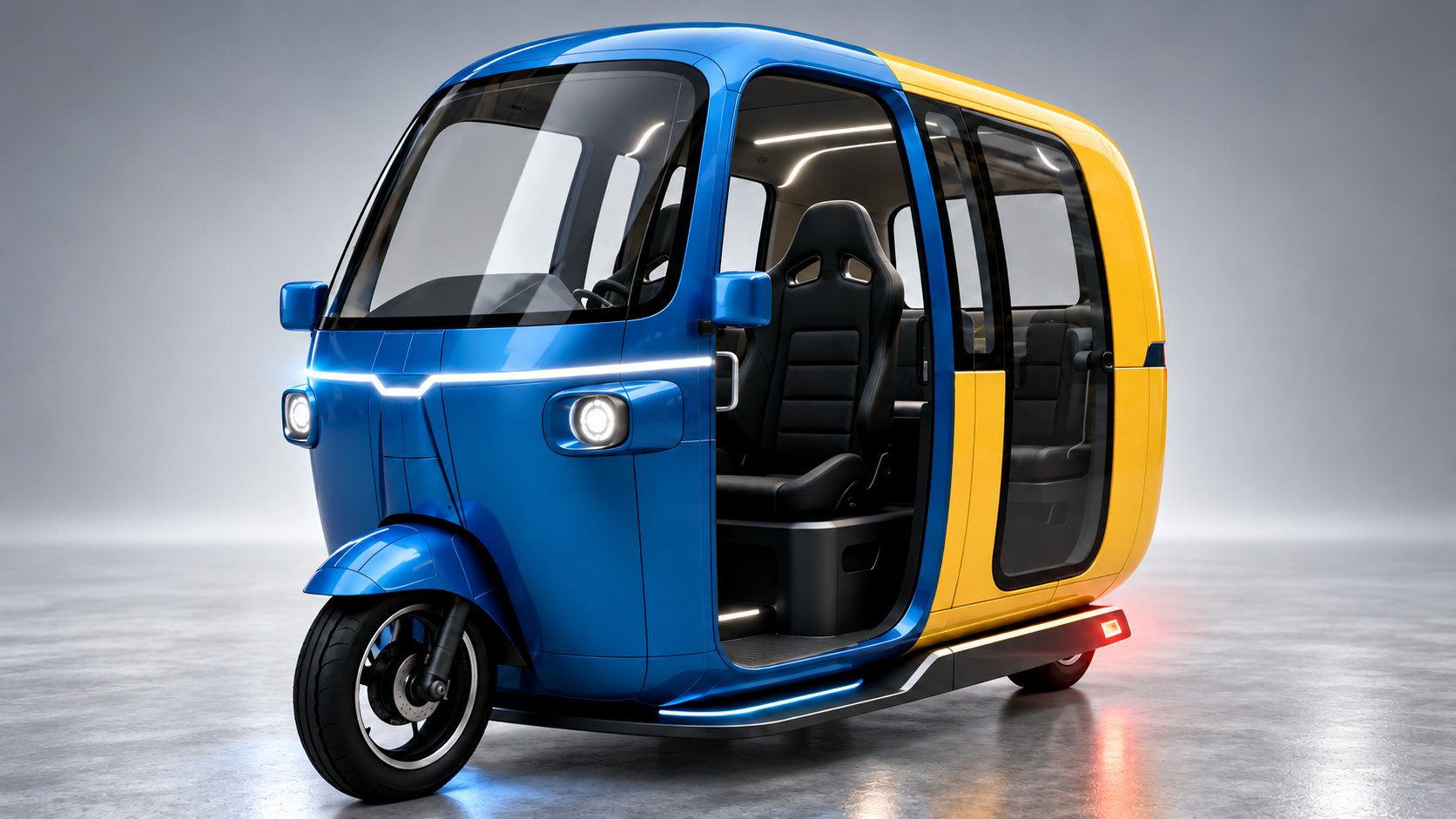
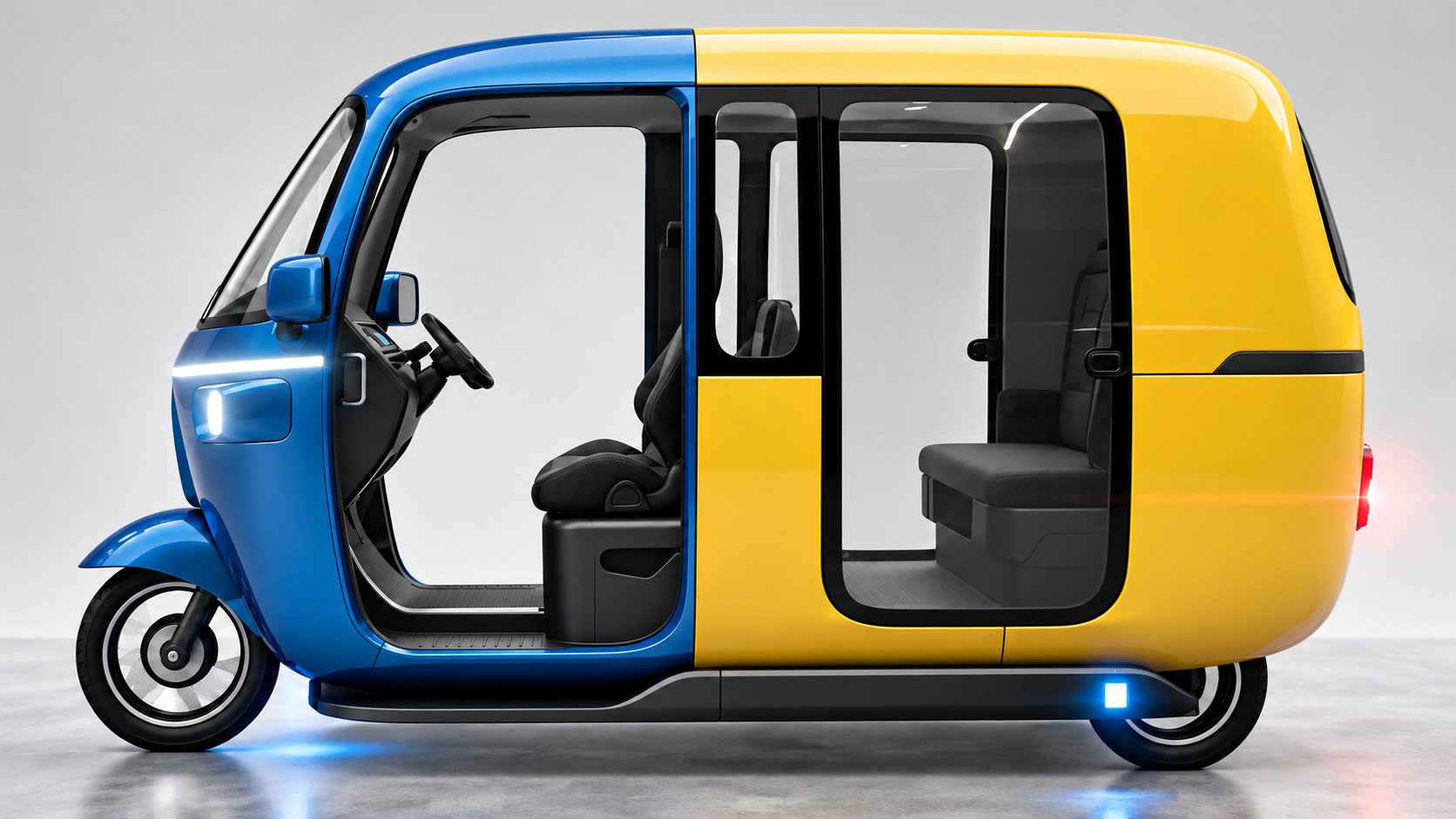
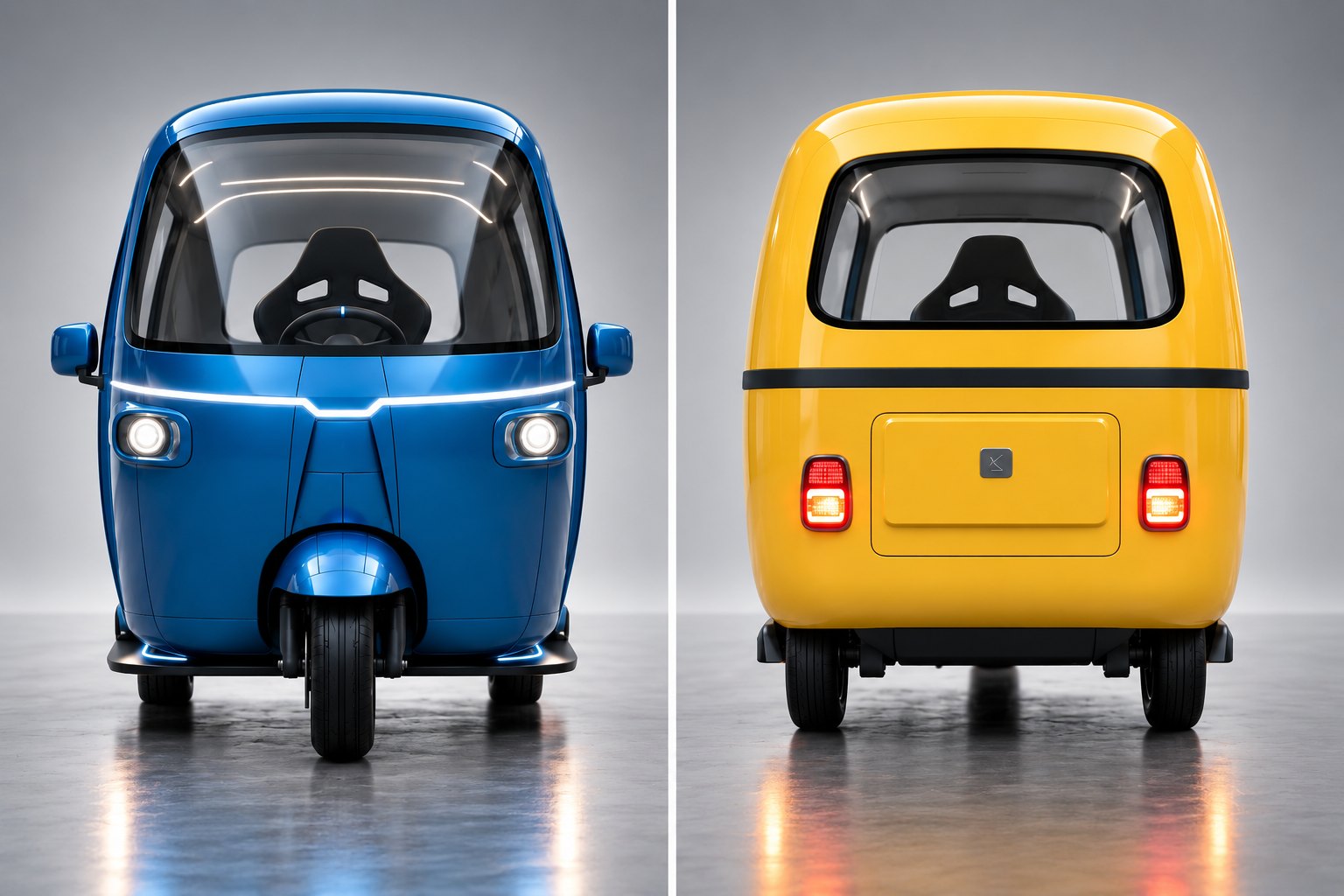
- 01Safety & formA cohesive, modular shell for protection and weather resistance in any climate, from monsoon rain to desert heat.
- 02Comfort & visibilityErgonomic seating, an elevated view and large panoramic windows.
- 03VersatilityA modular rear with anchor points for quick passenger-to-cargo changes.
- 04Modern presenceA clean electric identity, with seats in durable, sustainable fabrics.
CAD & Architecture
One chassis, many lives
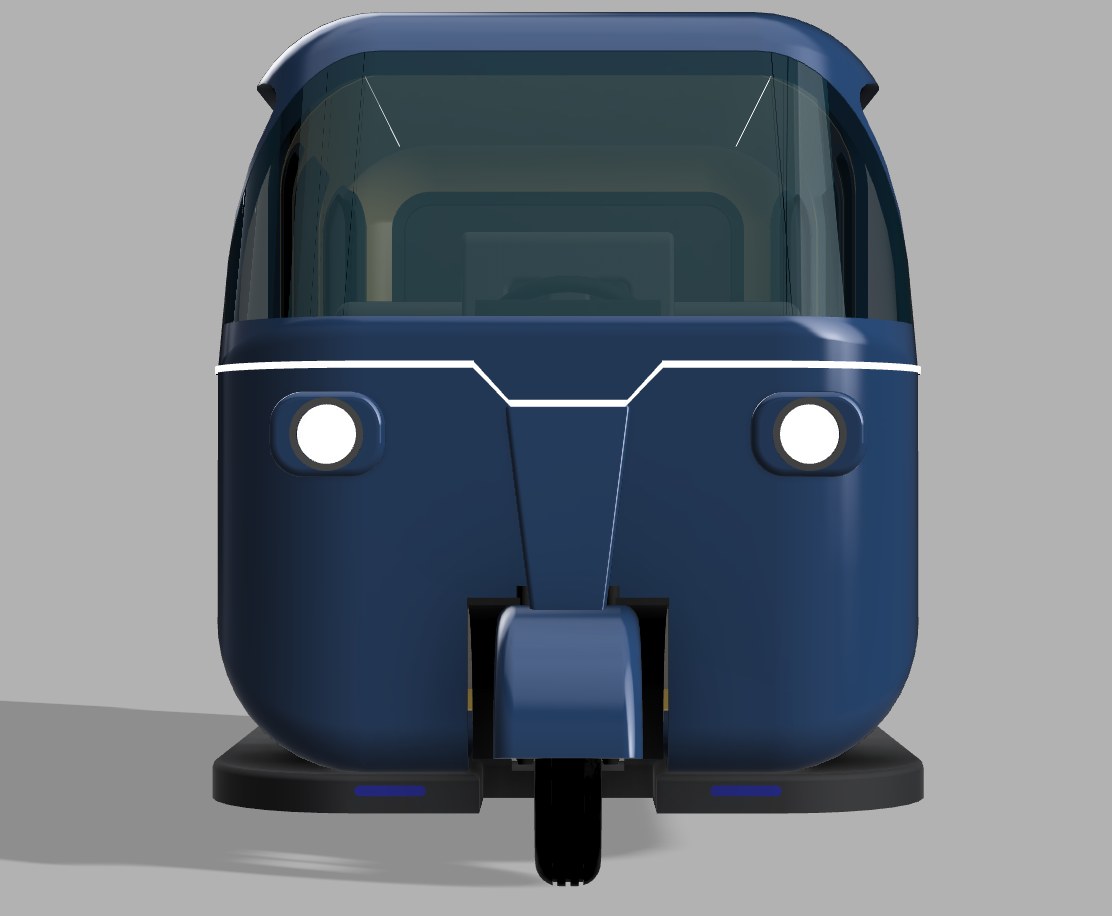
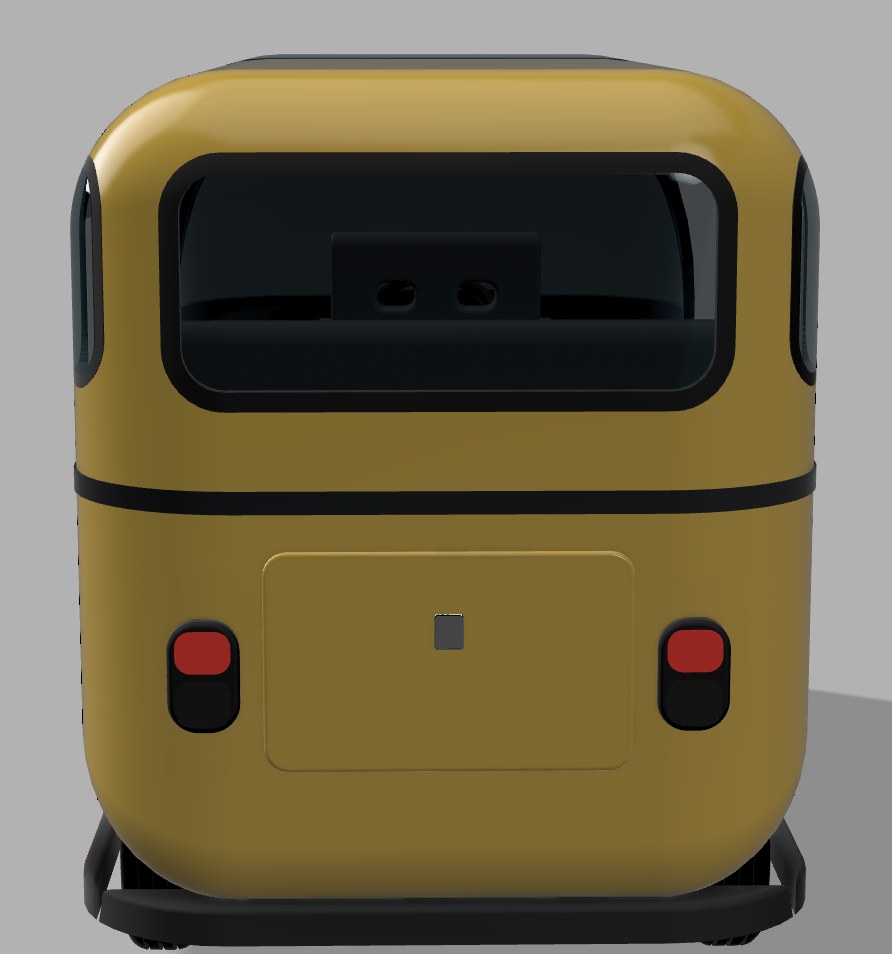
CAD model, front and rear.
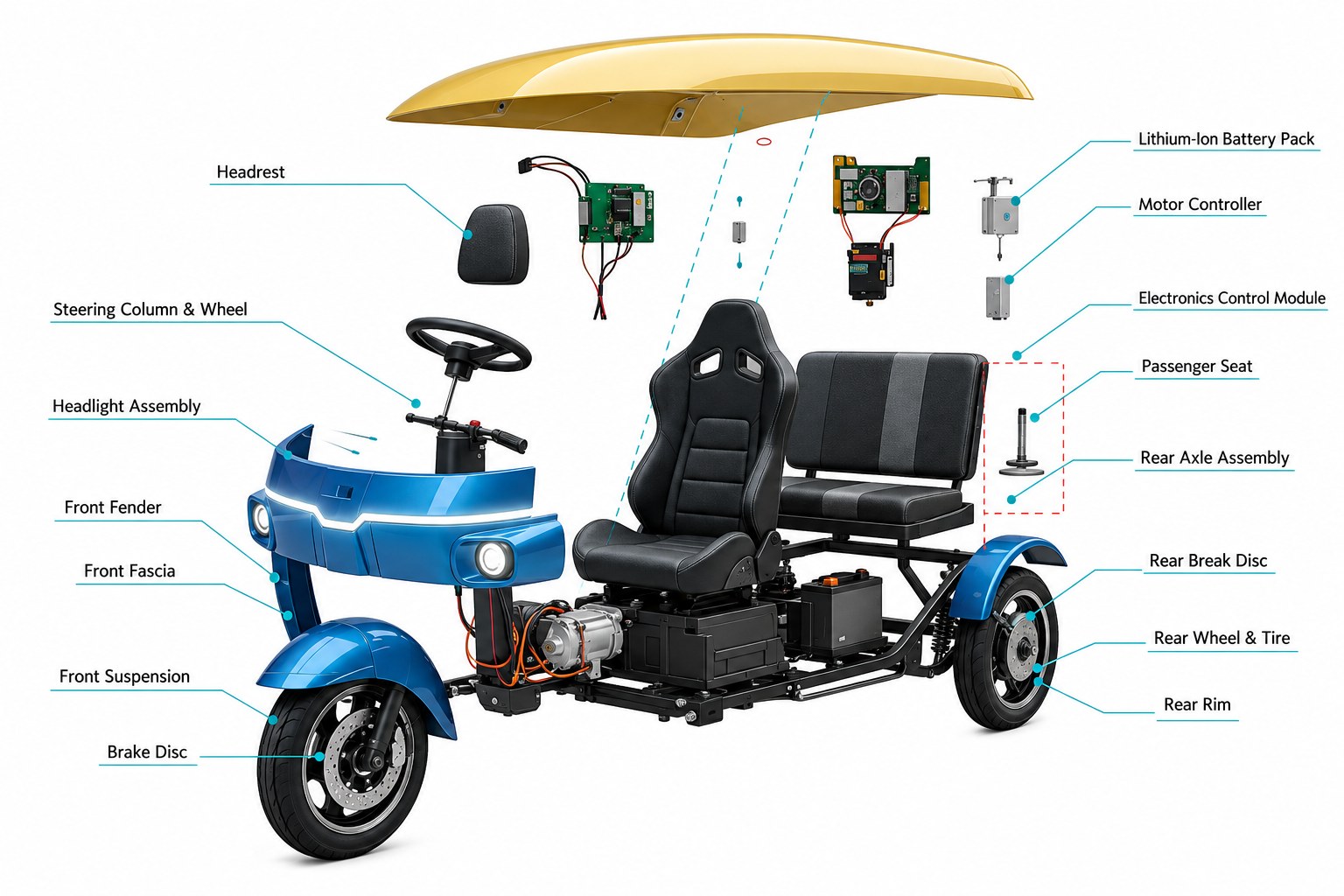
Underneath the shell is an electric platform: a lithium-ion battery pack, motor controller and electronics control module drive a rear axle assembly, with a front suspension and disc brakes at both ends. The body and seating sit on top as modules, which is what lets one chassis serve many roles.
Ergonomics
Built for a whole working day
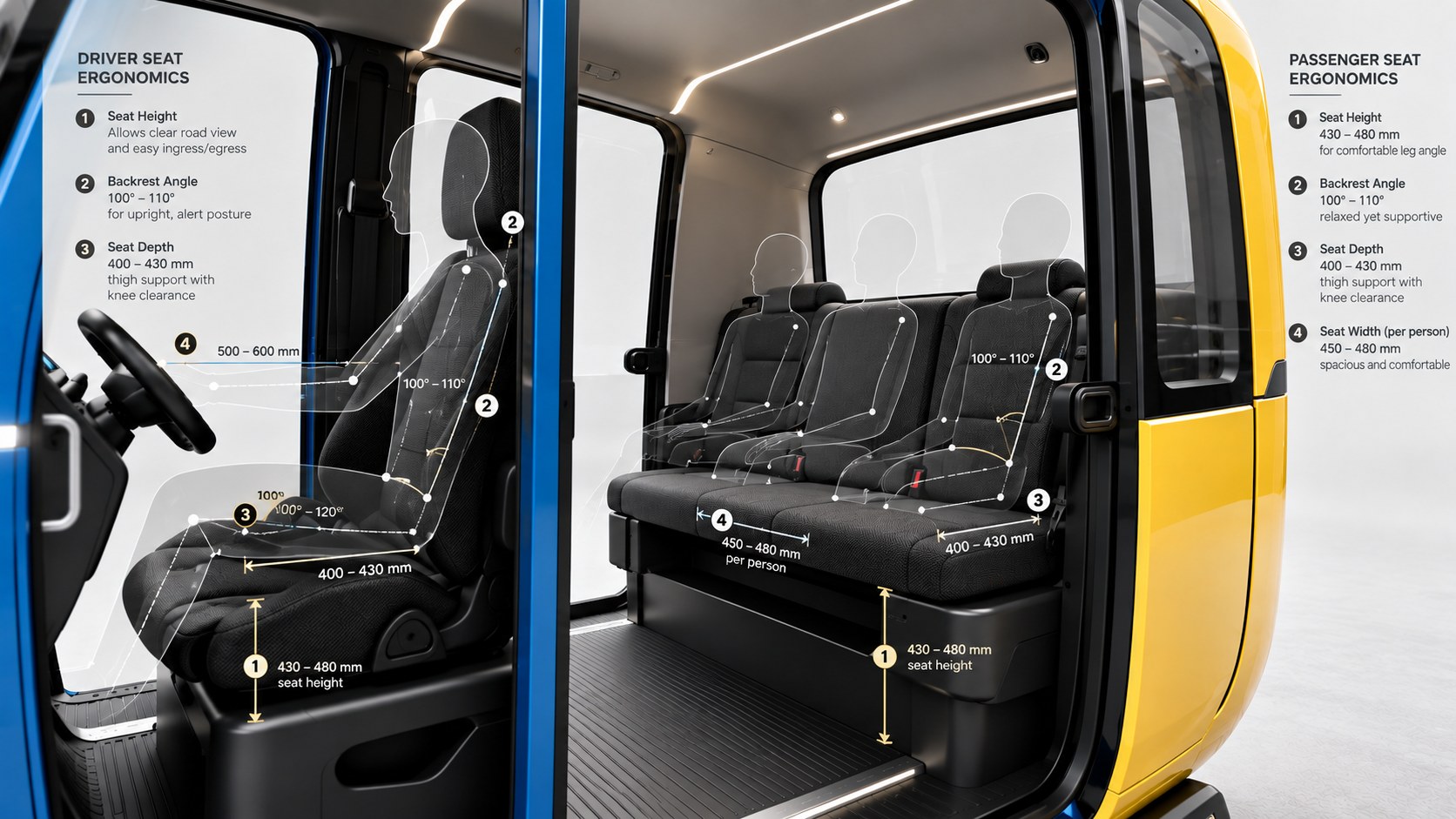
Driver seat
- 01430–480 mm seat heightClear road view and easy entry and exit.
- 02100–110° backrestUpright, alert posture.
- 03400–430 mm seat depthThigh support with knee clearance.
- 04500–600 mm to the wheelComfortable reach to the steering.
Passenger seat
- 01430–480 mm seat heightA comfortable leg angle.
- 02100–110° backrestRelaxed yet supportive.
- 03400–430 mm seat depthThigh support with knee clearance.
- 04450–480 mm per personSpace to sit without squeezing.
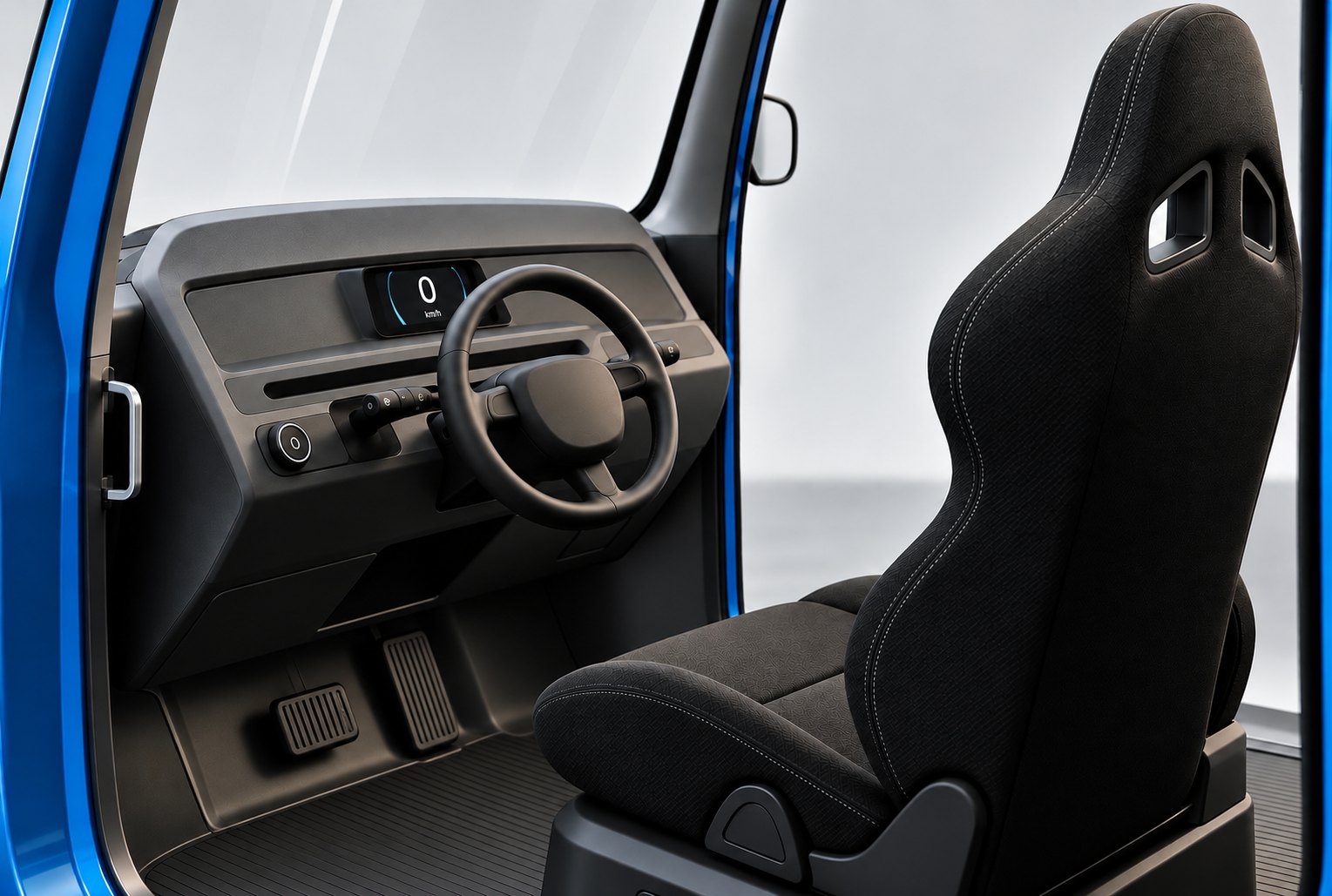
A proper driver's cab replaces the bench and handlebar: a supportive seat, a steering wheel and pedals, and a compact digital display, for drivers who spend their whole working day here.
Final Design
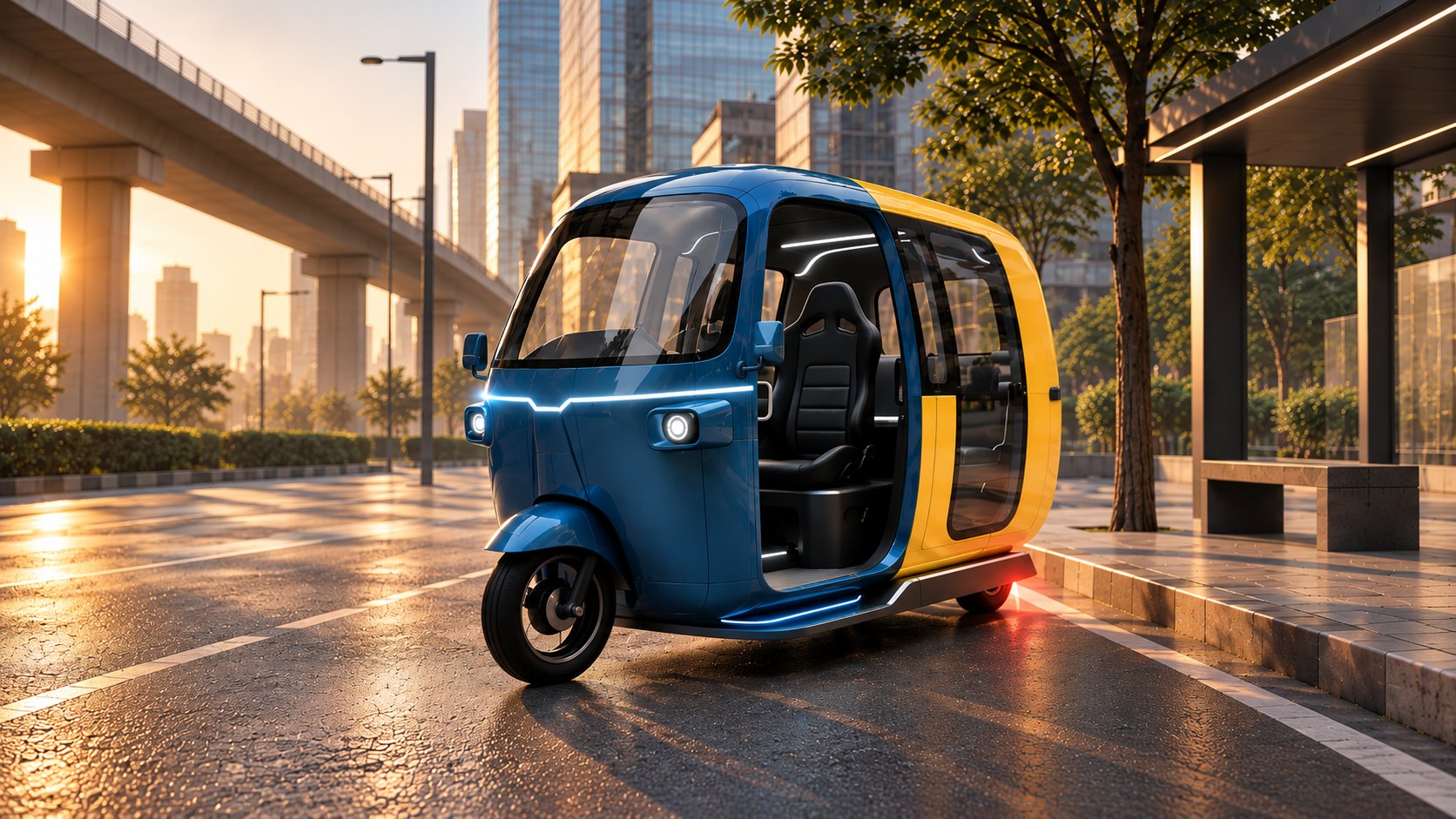
Ready for the streets
What's Next
From one body to many
The next step is detailing the cargo and utility modules and the anchor-point system that swaps between them, then testing the package against real costs, manufacturing constraints and the rules of different markets, so the same platform can be built and sold city by city.
The biggest lesson was that a three-wheeler is a livelihood as much as a vehicle. Designing for the driver’s whole working day, not just the passenger’s ride, changed the brief from a new body to a new platform.